
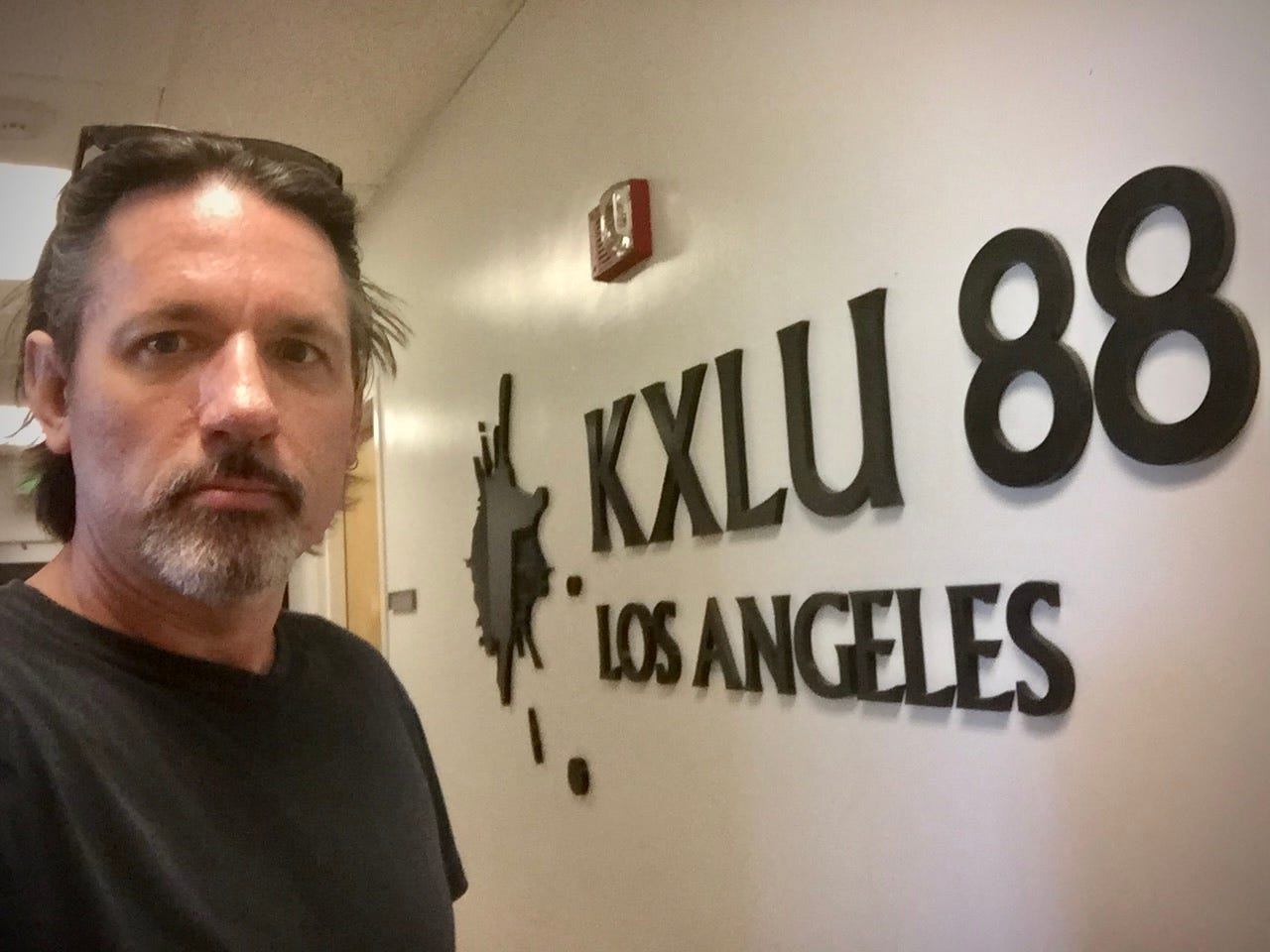
“You’ve got this,” I told myself, alone in the studio at KXLU.
The previous DJ had just left. My co-host was stuck somewhere on the 405. In front of me sat a desk full of blinking lights and enough buttons to accidentally silence Los Angeles.
There’s a specific kind of dread that comes from being very nearly qualified to do something. Not totally out of your depth – that’s almost easier, because you can just admit you’re lost. This was worse. I knew enough to understand exactly what could go wrong.
I’d spent years producing radio shows, but I’d never actually hosted one.
Behind the Glass
Back in my producer days, DJs seemed to have the easiest job in the building. Producers did all the work. The presenters walked in, turned on the charm, and collected all the glory.
At least, that’s how it seemed to me.
I’d had a few opportunities to appear on air, but every time I found myself behind a live microphone, my brain would lock up. Mouth dry. Heart pounding. Mind blank. In fact, I used to have a recurring anxiety dream about being live on air with the record about to run out, unable to find the next one in time. I’d wake up in a sweat amid the dead air.
After I left radio and moved into music production, my fascination shifted toward club DJs. Unlike radio presenters, they didn’t need the gift of the gab. It was all about the tunes. A job built on technical skill, taste, and creativity. The best DJs were essentially superstars.
I wondered if maybe I could do that too.
Beat Academy
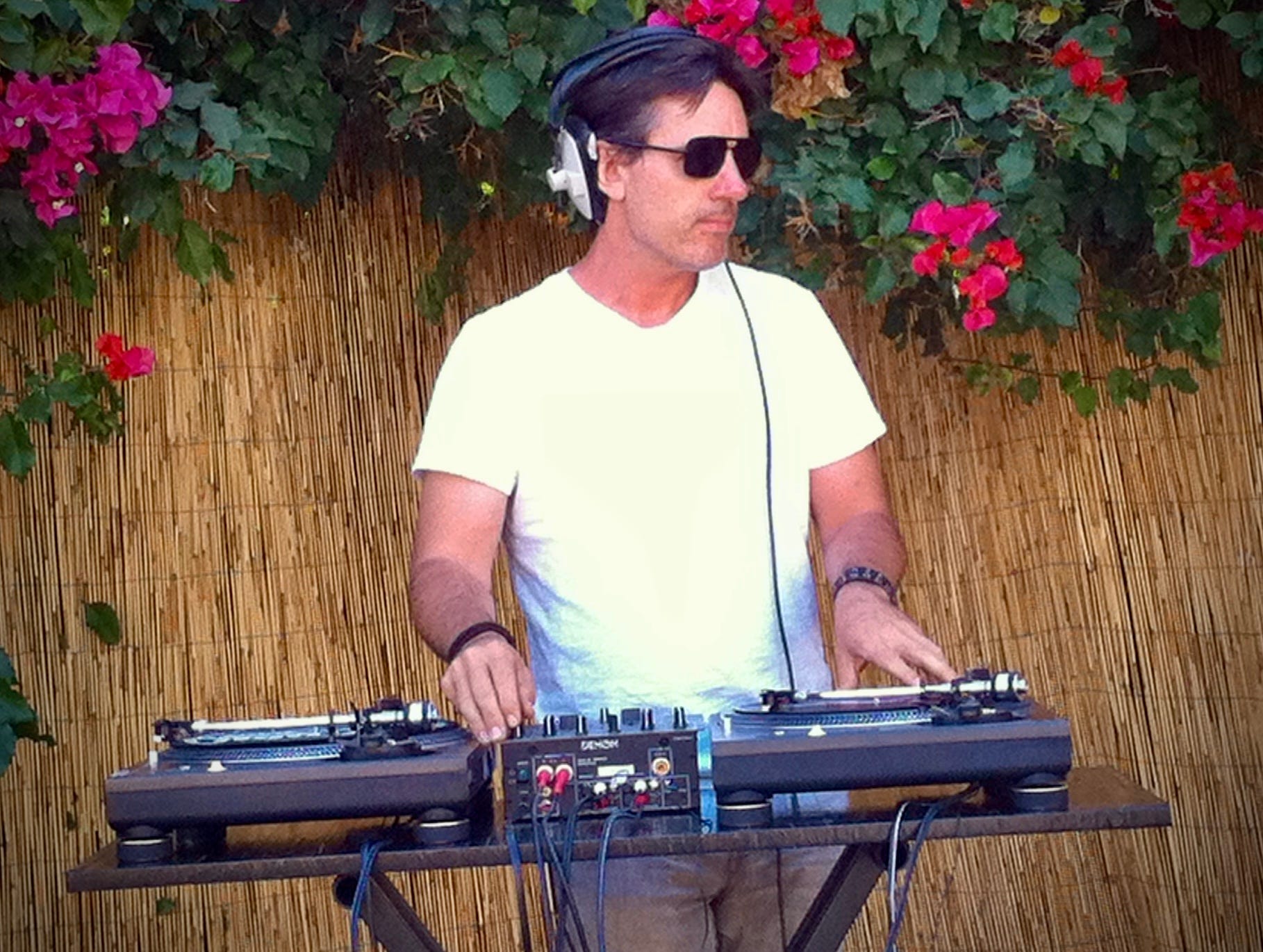
I enrolled in a DJ school in Studio City called Beat Academy. This was old-school DJing too. Vinyl. Headphones. Trying to nudge the record into sync by ear.
I was older than most of the students, which somehow made the whole thing worse. The kids had this effortless confidence I seemed to lack. They’d jump onto the decks and immediately start performing. I approached the turntables like somebody diffusing a bomb.
Still, I got reasonably good.
At the end of the course, we had a graduation event where each student was supposed to play a short live set in front of a crowd. Nothing major. Just a few songs.
I spent most of the night strategically remaining out of sight while the extroverts fought for the spotlight.
Eventually the night ended and I escaped without playing a single track.
Driving back through LA, I felt the very specific shame of someone who has successfully avoided the one thing they went there to do.
Then it occurred to me. Not every DJ had to keep a dance floor alive at 2am. That wasn’t my thing anyway. I liked weird music. Jazz. Funk. World. Old soul records. Atmospheric stuff.
And who says every transition has to be seamless?
I figured I could approach DJing more like the radio DJs. Just play good songs one after another and create a mood.
So that’s exactly what I did.
Nothing Could Go Wrong
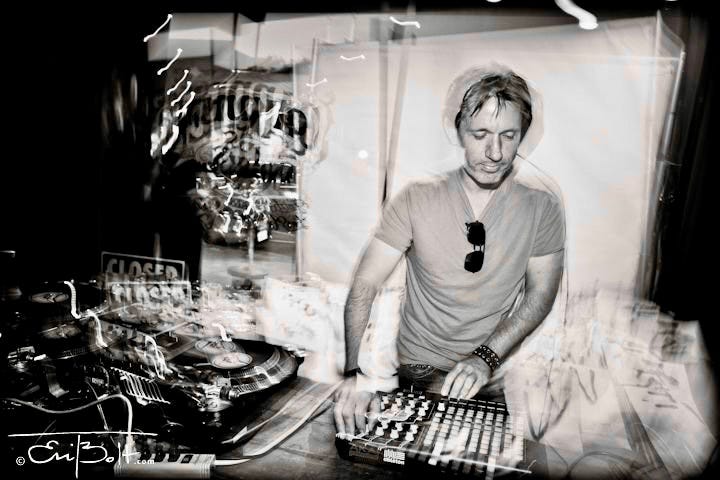
I found some low-pressure gigs. Cafes. Art events. Restaurants. Places where atmosphere mattered more than seamless transitions.
And honestly, it was fun.
But even then, I still dreaded trainwrecking two songs together in front of a room full of people.
That is, until I discovered DJ software – it felt like somebody had handed me the cheat codes.
I could lock tracks so they’d never drift. I could pre-program entire sets at home. I could build perfect segues in advance and trigger them with a single click.
Suddenly I had total control.
Nothing could go wrong.
But once everything was automated and perfected, something disappeared. The feeling that anything could happen. No mistakes, sure. But no happy accidents either.
Then, unexpectedly, radio called again.
No Parameters
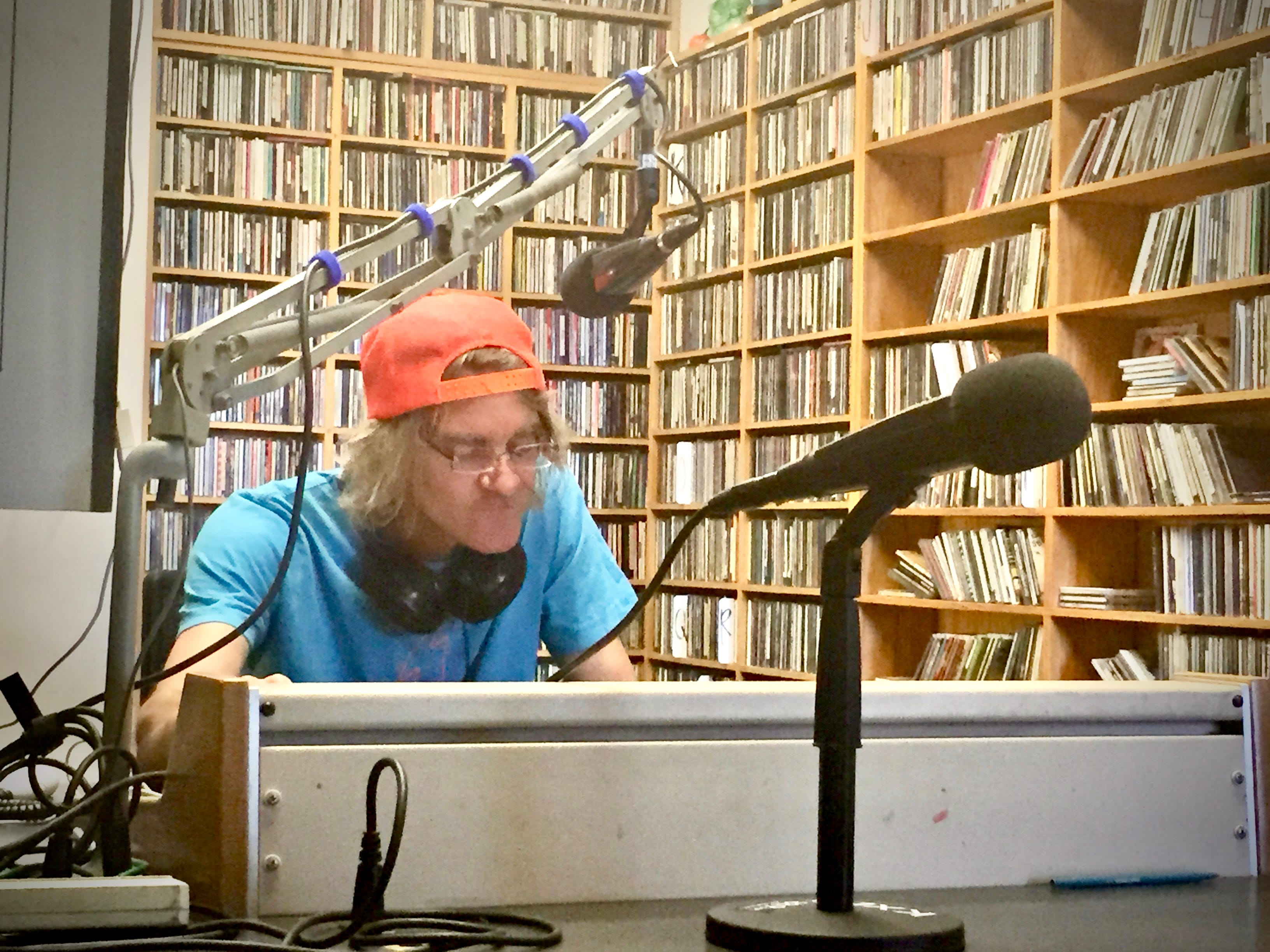
My friend Harry invited me to sit in on his KXLU radio show.
A few of us gathered in the studio late at night and took turns playing whatever we wanted. The show was called No Parameters because that was basically the entire concept. No format. No playlist restrictions.
Those nights were genuinely fun.
Harry handled the desk and answered phone calls while the rest of us played records and talked nonsense between songs. With Harry taking care of the technical side, I could relax. There’s real comfort in being the supporting character.
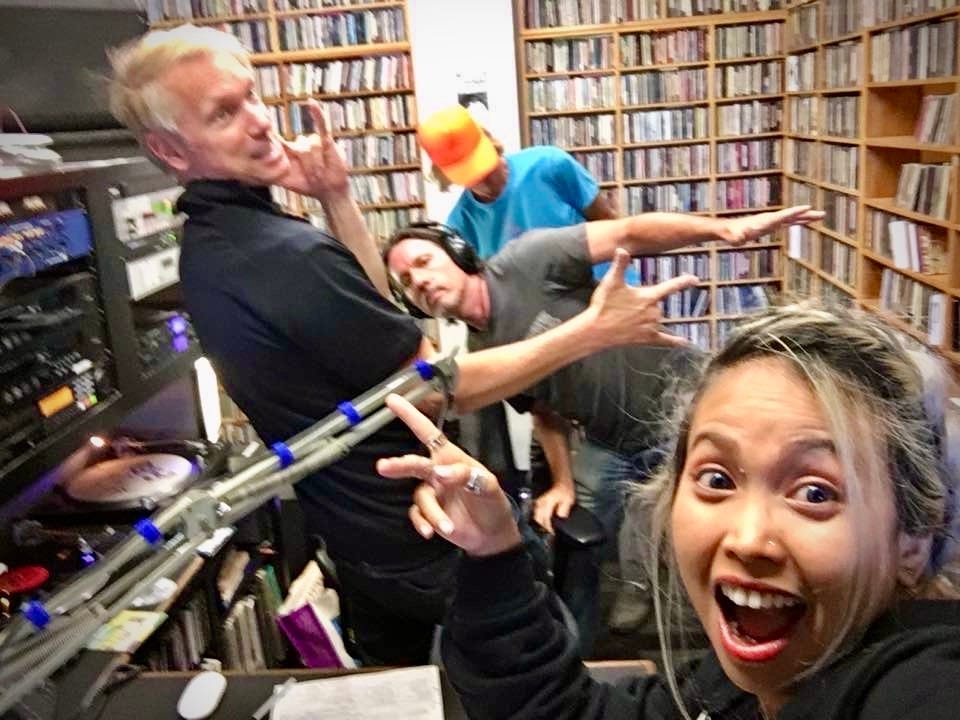
Alone in the Studio
Then one night, the others couldn’t make it. It was going to be just me and Harry.
I arrived at the station on time, but Harry was nowhere to be seen.
A text came through. He was stuck in traffic. I’d have to start the show alone.
My stomach dropped.
You’d think after years in radio this wouldn’t be a problem. But sitting behind the actual broadcast desk with full responsibility for the station felt very different from playing sidekick.
Still, I had my music ready.
“You’ve got this,” I told myself.
I put on my first track. Everything worked.
One song passed.
Then another.
I started calming down.
By the third track I’d begun thinking maybe I’d built this whole thing up too much in my head. Maybe I actually could do this. So when the song ended, I opened the mic to do my first ever radio link. A little shoutout to Harry stuck in traffic. Nothing fancy.
And honestly?
It was going great.
Relaxed voice. Natural pacing. Funny, even.
I barely noticed my phone buzzing in my pocket.
After the link, I put on another song and answered my phone. It was Harry.
“You just put out almost a minute of dead air,” he said. “What happened?”
“What do you mean? I was talking.”
“Nobody heard you.”
The microphone was live in my headphones, but there was another button routing the signal to air – one Harry had forgotten to mention.
My voice never left the station.
After years of anxiety dreams about dead air on live radio, it had finally happened for real.
Harry arrived a few minutes later and took over the desk while I happily retreated back into the shadows.
That remains the one and only time I ever sat alone in the DJ chair, live on air.
Relaxed voice. Natural pacing. Funny, even.
Talking away to an audience of precisely zero.
Wanna hear some of my old DJ mixes?
If you liked this story you might enjoy my book
Thank you for sharing your fears and showing us your courage to move forward anyway.
You speak the fears and trepidations of the 99%.
Bravery is simply that you were there.